Cute Things Doodles in Watercolor Vector Review
As an embroidery designer who’s worked with countless digital embroidery files, I’ve learned to look beyond the initial visual charm and consider how a design will perform in real-world stitching. Cute Things Doodles in Watercolor Vector is one of those designs that initially wins you over with its soft, whimsical aesthetic, but it’s the practical application that really tells the story.
First Impressions: A Delightful Digital Embroidery File
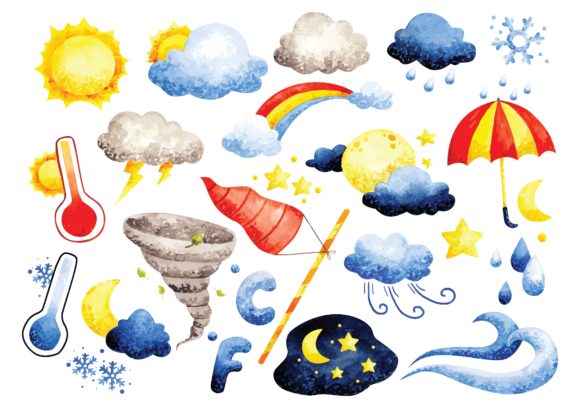
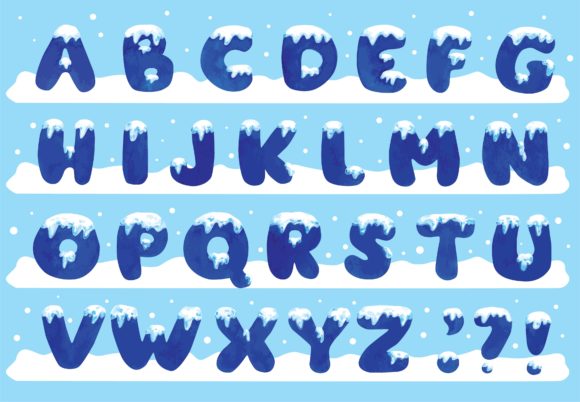
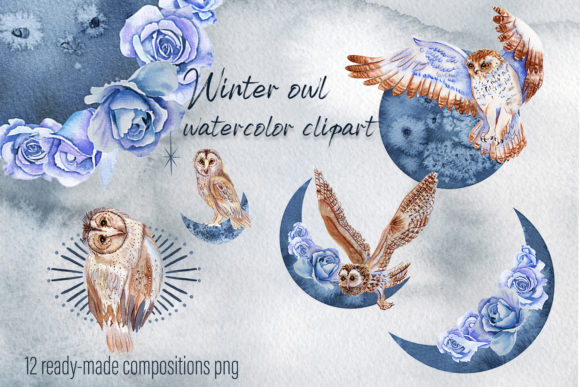
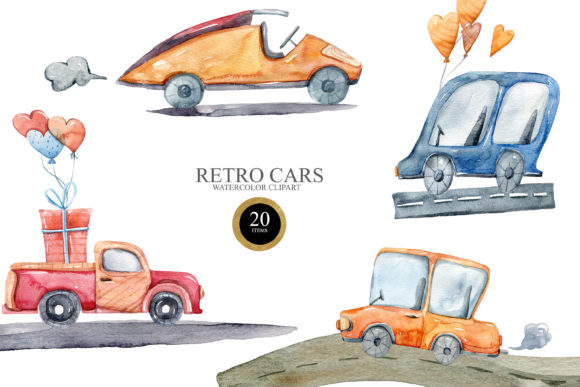
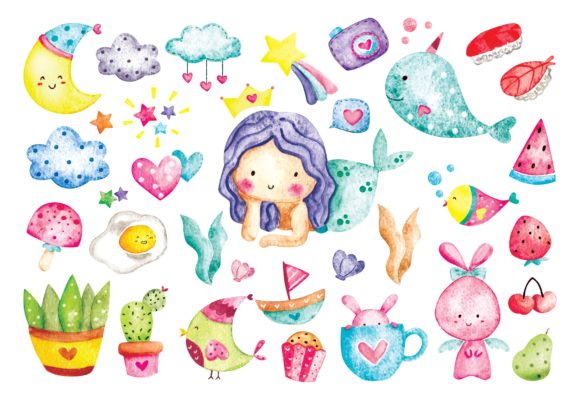
The first thing I noticed about Cute Things Doodles in Watercolor Vector is its gentle, hand-drawn feel. The watercolor washes are subtle and give the illustrations a dreamy, artistic touch. These doodles don’t scream for attention—they whisper, which makes them perfect for projects where you want to evoke warmth without overwhelming the viewer.
Visually, they have a very approachable style. Think of a cozy nursery wall hanging or a personalized baby onesie. The layout is balanced and playful, with enough negative space to let each element breathe. This isn’t a design that needs a lot of fabric real estate to make an impact. It works best when paired with minimal text or small embellishments, maintaining its charm without getting lost in clutter.
Mood and Personality
This design feels like it was created for someone who loves the idea of handmade products but also values clean, modern aesthetics. Its personality is both nostalgic and contemporary—like a watercolor sketchbook page turned into a machine embroidery design. That duality means it can fit into a wide range of product types, from custom apparel to boutique branding elements.
Real-World Applications and Stitching Performance
I recently used this design on a custom embroidered sweatshirt for a client’s holiday gift order. The result was exactly what I hoped for—a soft, elegant stitch that looked more expensive than the materials suggested. The watercolor effect translated well into thread colors, especially when using variegated threads to mimic the blending of paint.
- Custom Apparel: Works beautifully on t-shirts and sweatshirts, especially in pastel thread colors. The design doesn’t require high stitch density, so it stitches cleanly even at lower tensions.
- Tote Bag Design: I tested it on a cotton-linen blend tote and found the fill stitches held up well. The doodles added a personal touch that elevated the product from generic to unique.
- Baby Embroidery: Perfect for nursery decor and baby clothes. The lightness and lack of aggressive detail made it ideal for delicate fabrics and young audiences.
- Embroidered Patch: Translated well into a small patch format. The shapes were clear and easy to trace for applique work, making it versatile for adding to denim jackets or backpacks.
- Holiday Embroidery: For a Christmas ornament project, I layered it with some gold running stitch outlines. The contrast between the muted watercolor tones and metallic details gave it a festive yet refined look.
Commercial Embroidery Considerations
If you're an Etsy seller or run a small shop selling handmade products, this design could be a great addition to your catalog. It’s not too busy, so it won’t clash with other branding elements, and it looks good in black and white as well as color. I’ve seen similar styles resonate well with customers who prefer understated, thoughtful designs over loud logos.
For digital product sellers, Cute Things Doodles in Watercolor Vector can serve as excellent design assets for printable mockups or social media previews. The vector nature ensures crisp scaling, and the watercolor motif gives your listings a creative edge.
Where Caution Is Needed
While this design is charming and functional, there are a few areas where I’d advise careful planning:
- Small Hoop Sizes: Some of the finer doodle lines might get lost if stitched in a hoop smaller than 4x4 inches. Always confirm the minimum recommended hoop size from the file details before starting.
- Textured Fabrics: The subtlety of the watercolor effect may be compromised on canvas, felt, or heavily textured materials. Test on a sample piece first.
- Thin or Stretchy Fabrics: Use proper stabilizer to prevent puckering or distortion. Satin stitch areas should be reinforced to avoid pulling through delicate textiles.
- Dense Stitch Areas: Although the design avoids overly tight fill patterns, if you’re combining it with another dense embroidery file, adjust stitch density accordingly to avoid bulkiness.
- Dark Fabric Backgrounds: The muted thread colors might not pop as well. Consider using a white background fabric or testing with brighter thread shades to maintain visibility.
- Curved Surfaces (e.g., Caps): The layout may need slight adjustments for curved embroidery surfaces. Always do a test run to ensure alignment and clarity after stretching.
Thread Color Contrast and Visual Appeal
One of the most important factors when using this design is thread color selection. The original artwork uses soft gradients, which translate well into embroidery with variegated or tonal thread combinations. However, if you're using solid colors, choose shades that provide enough contrast against the fabric to keep the doodles legible.
On lighter fabrics, the design shines. On darker ones, it can still work—but you’ll need to be more strategic with your thread palette. I recommend using a black-and-white mockup tool to preview the design before committing to thread and fabric choices.
Practical Designer Notes
Here are a few tips I’ve picked up while working with Cute Things Doodles in Watercolor Vector across different embroidery projects:
- Test on scrap fabric first, especially if you're using a new material or stretchy blend.
- Check stitch density in fill areas. Lower settings often yield better results on delicate items like pillow covers or aprons.
- Review hoop size requirements carefully. If not specified, start with a mid-sized hoop and adjust based on your machine capabilities.
- Inspect small details like tiny lettering or intricate corners. They may need manual tweaking depending on your embroidery machine’s precision.
- Use appropriate stabilizer for thin or stretchy fabrics to prevent distortion during stitching.
- Confirm whether the design is suitable for commercial embroidery before using it in mass production. Licensing terms can vary, so always double-check the provider’s guidelines.
Design Versatility Across Products
What makes Cute Things Doodles in Watercolor Vector stand out is its adaptability. Whether you're making a personalized gift or designing a line of custom apparel, this illustration set can slot into many niches. It’s particularly effective for:
- Handmade product packaging or tags
- Embroidered tea towels or kitchen linens
- Nursery or toddler room decor
- Decorative accents on tote bags or aprons
- Wedding gift embroidery (think thank-you cards or small keepsakes)
It’s also worth noting that the design maintains a consistent visual language throughout the set, which is crucial for brand consistency. As a boutique owner or Etsy seller, having a cohesive collection of embroidery files that speak the same design language helps build recognition and trust with your audience.
Final Thoughts for Creative Entrepreneurs
When evaluating machine embroidery designs for real use, I focus on three things: how it looks after stitching, how it functions in various applications, and how it resonates with customers. Cute Things Doodles in Watercolor Vector passes all these tests with flying colors—if used thoughtfully.
Its appeal lies in its simplicity and charm. Unlike bold, graphic-heavy designs, it doesn’t demand attention; it invites connection. That kind of visual storytelling is powerful in today’s craft market, where buyers seek authenticity and emotional resonance in their purchases.
So whether you're creating a batch of holiday gifts or building your small shop product lineup, this embroidery file has the potential to add a special touch. Just remember to plan for fabric type, hoop size, and thread contrast to ensure it looks as lovely in reality as it does in concept.