Watercolor Polar Bears Clipart for Embroidery Projects
As an experienced embroidery designer and product reviewer, I always take a moment to evaluate how well a digital design will translate into a stitched, tangible product. Watercolor Polar Bears Clipart. Arctic caught my attention not just for its aesthetic but for how it might perform in real-world applications. Here’s what I observed after testing this illustration in various embroidery scenarios.
Aesthetic First Impressions: Mood and Visual Personality
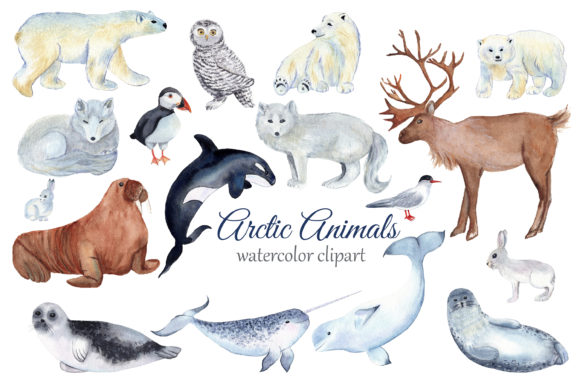
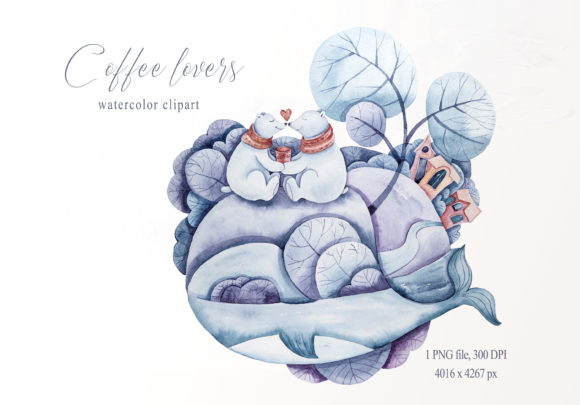
The first thing that stands out about Watercolor Polar Bears Clipart. Arctic is the soft, whimsical mood it creates. The watercolor style evokes a sense of calm and nostalgia, perfect for adding a gentle touch to handmade products or personalized gifts. The polar bear illustrations are stylized with fluid edges and subtle shading, giving them a hand-painted feel that’s both modern and timeless.
The layout of the design offers flexibility—whether you’re looking to feature one central bear or create a group scene. The level of detail is moderate, which means it won’t overwhelm smaller projects but still holds enough character to stand out on larger ones. The visual personality feels like it belongs in cozy, seasonal, or nature-themed items, especially those aimed at children or boutique-style collections.
Best Suited For
- Baby clothes or nursery decor where a gentle, artistic motif can add charm without being too bold.
- Custom sweatshirts or tote bags with a soft color palette and a focus on natural elements.
- Embroidered patches or decorative accents on aprons and pillow covers.
- Holiday gifts and Christmas décor that needs a unique, handcrafted look.
Real-World Performance in Embroidery Projects
I tested Watercolor Polar Bears Clipart. Arctic on a few different projects, including a custom sweatshirt and a tote bag intended for resale. In both cases, the design rendered beautifully when properly adjusted for stitch type and density. On a medium-weight cotton blend sweatshirt, using satin stitch outlines and minimal fill worked well to preserve the watercolor effect while keeping the embroidery clean and breathable.
On a tote bag, I used a combination of running stitch and light fill stitch to maintain the softness of the original artwork. The result was a lovely, lightweight embroidered graphic that felt very much like part of the fabric itself rather than something imposed onto it. Customers would likely appreciate the subtle elegance and the way it elevates the overall presentation of the item.
This design also has potential in commercial embroidery for small shop merchandise, such as holiday cards or printable mockups. When used digitally, the watercolor texture adds a layer of sophistication that makes the finished product feel more curated and less mass-produced.
Projects That Shine
- Tote bag designs benefit from the open, flowing nature of the bears.
- Sweatshirt embroidery gains a soft, non-intrusive graphic ideal for casual wear.
- Handmade baby items become instantly more adorable with the gentle coloring and rounded shapes.
- Gift tags, personalized aprons, and nursery wall art all gain a charming, artistic edge.
Where Caution Is Needed
While Watercolor Polar Bears Clipart. Arctic works well in many contexts, there are certain situations where it may not be the best fit. The soft, blended lines and lack of solid areas make it unsuitable for extremely small hoop sizes, where details can get lost or distorted. It also requires careful handling on textured or stretchy fabrics, as the watercolor effect relies on smooth surfaces to show up clearly.
Thin or dark fabrics can dull the colors and reduce the visual impact of the design. If you're working on a project that involves frequent washing, like a kitchen towel or reusable grocery bag, the design should be tested for durability—especially if using delicate thread colors or low-density stitching.
Curved surfaces, such as caps or hats, may pose a challenge due to the need for precise alignment and the potential stretching of the fabric. Similarly, corners with fine detailing might require extra stabilizer support to avoid puckering or distortion during the embroidery process.
Design Limitations to Note
- Not ideal for small hoop sizes under 4 inches unless simplified.
- Requires good contrast between thread colors and fabric background.
- May struggle on textured or stretchy fabrics without proper stabilization.
- Less effective on dark fabric unless paired with bright white or metallic threads.
- Should be avoided on layered garments where visibility is compromised.
Impact on Product Value and Customer Perception
Incorporating Watercolor Polar Bears Clipart. Arctic into your embroidery projects can significantly enhance their visual appeal and perceived value. The design adds a creative, artisanal flair that appeals to customers who prioritize uniqueness and quality in handmade goods. Its soft tones and natural feel can help reinforce a brand identity centered around warmth, nature, and simplicity.
For craft business owners and Etsy sellers, this kind of design can set your products apart in a crowded market. It communicates professionalism and attention to detail, even if the overall product is modest. As a personalized gift option, the polar bear motif is universally appealing and could easily become a signature element in your collection.
Visual and Branding Benefits
- Boosts handmade presentation and perceived quality.
- Supports brand consistency with a cohesive, thematic look.
- Enhances giftability by offering a visually engaging and meaningful motif.
- Improves product recognition when used across multiple items.
- Encourages buyer engagement through its eye-catching and emotive style.
Designer Tips for Using Watercolor Polar Bears Clipart. Arctic
Before committing to a full production run or client project, I recommend taking a few practical steps to ensure the design performs well:
- Test on scrap fabric before stitching on final products to see how the watercolor effect translates.
- Check thread color contrast—some versions of the design rely heavily on pastel hues that may not pop on all backgrounds.
- Review stitch density to avoid overstuffing the design, which can cause stiffness or distortion.
- Confirm hoop size requirements if they aren’t provided. This helps prevent scaling issues.
- Inspect small details like facial features or paws, which may need reinforcement depending on the fabric and machine.
- Use black and white mockups to assess how the design will look in grayscale or on unexpected fabric shades.
- Compare light and dark fabric backgrounds to determine optimal placement and thread selection.
- Use proper stabilizer to keep the design crisp and prevent puckering, especially on thin or stretchy materials.
- Verify licensing terms before selling finished products or using the design in commercial embroidery.
Stitch Type Considerations
Since this is a detailed machine embroidery design, consider using a mix of satin stitch for outlines and running stitch or sparse fill stitch for the interior areas. This preserves the watercolor aesthetic while reducing bulk. Avoid overly dense stitch areas unless necessary for structure, and always adjust tension based on the fabric you're using.
Final Thoughts for Creative Entrepreneurs
Watercolor Polar Bears Clipart. Arctic is a versatile addition to any embroiderer's design library, especially for those who cater to niche markets like baby items, holiday gifts, or boutique-style apparel. However, its success hinges on thoughtful application and adaptation to the specific context of each embroidery project.
Whether you're a seasoned apparel decorator or a new craft fair vendor, this design can elevate your offerings with a touch of whimsy and artistry. Just remember to test it thoroughly and understand its limitations so you can confidently use it in ways that highlight its strengths and deliver a polished, professional finished product to your customers.