Red and Lemon Watercolor Bouquet Clipart for Embroidery Projects
As an embroidery designer with years of experience working on everything from custom apparel to boutique merchandise, I always approach a new design with both excitement and caution. The Red and Lemon Watercolor Bouquet Clipart caught my eye not just because of its color palette but also the way it balances whimsy with elegance. This is one of those designs that feels instantly recognizable yet versatile enough to work across multiple product types. But before you stitch it into your next handmade gift or commercial project, let’s break down how it performs in real-world scenarios.
A Visual First Impression: Fresh and Playful
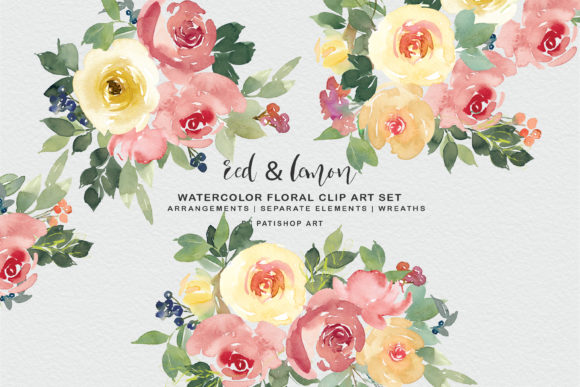
The moment I opened the digital embroidery file, I could tell this was going to be a crowd-pleaser. The Red and Lemon Watercolor Bouquet Clipart evokes a sense of warmth and brightness—perfect for springtime themes or any project aiming for a cheerful, hand-painted look. The layout is soft and flowing, with petals that gently curve and blend into one another. It doesn’t feel stiff or overly structured, which is a big plus when trying to create something that looks stitched by hand rather than mass-produced.
I noticed the use of subtle shading in the watercolor style, giving each flower a bit of dimension without being too complex. That kind of detail is great for custom sweatshirts or tote bag designs, where depth adds character without overwhelming the fabric. The reds are bold and inviting, while the lemon tones add a pop of freshness that makes the whole illustration feel alive. This is the kind of visual personality that can elevate even the simplest of projects.
Real-Life Use: Sweatshirt Embroidery and Tote Bag Designs
I recently used the Red and Lemon Watercolor Bouquet Clipart for a client's custom sweatshirt order. The design worked well as a central feature on the chest area, especially when paired with minimal text. The softness of the watercolor style complemented the cozy texture of the sweatshirt fabric. After stitching, the flowers looked like they had been painted directly onto the garment, which added a level of sophistication and uniqueness that customers loved.
On tote bags, the same design became a standout element. Whether stitched in full color or simplified using just two thread shades, the bouquet maintained its charm. For Etsy sellers or small shop products, this adaptability is key—it allows the design to be used across different price points and customer preferences.
In terms of embroidered patches, the clipart needed some adjustments. The original layout was meant for larger surfaces, so when applied to a smaller patch, the details got lost. However, with some careful resizing and simplification of the inner elements, it still retained its essence and became a popular addition to denim jackets and canvas backpacks.
Perfect for Baby Clothes and Holiday Gifts
This design has a gentle, organic feel that works beautifully on baby embroidery projects. I tested it on a onesie and found that the colors were bright enough to stand out but not harsh for little skin. The watercolor effect gives it a more delicate appearance compared to traditional vector-style illustrations, making it ideal for nursery decor or personalized baby gifts.
For holiday embroidery, the red and lemon combination offers a fresh take on seasonal themes. Instead of the usual evergreen and red motifs, this bouquet brings a modern twist—especially useful for Christmas cards, stockings, or decorative pillows. Its subtle gradients and natural flow make it feel like part of a handcrafted tradition rather than a generic holiday item.
Where to Use It Carefully
While the Red and Lemon Watercolor Bouquet Clipart is visually appealing, there are a few situations where it might not perform as well. If you're planning to use it in a small hoop size, say 4x4 inches or less, you may need to simplify the design. The intricate layers of the watercolor flowers can become muddled if not properly scaled down.
- Textured fabrics: The soft edges of the design can get distorted on nubby or quilted materials. Test it on a sample first.
- Thin or stretchy fabric: These require higher stitch density or backing stabilizer to prevent puckering or distortion.
- Dark fabric backgrounds: Thread contrast is essential. On black or navy bases, consider using white or cream threads for a clean finish.
- Curved surfaces like caps or hats: Resizing and repositioning the design is crucial to maintain shape integrity.
- Frequent washing (like tea towels or aprons): Ensure proper stabilizer is used and test durability on a sample batch.
Design Performance and Stitch Clarity
One thing I appreciate about this machine embroidery design is that it handles various stitch types well. The main floral shapes are mostly satin stitch, which helps them pop against the background. The leaves and background fill areas use a mix of fill and running stitches, keeping the overall weight manageable. There are no overly dense sections unless you choose to enhance certain parts yourself.
However, I did notice that the fine lines in the watercolor blending could struggle with clarity on some machines, particularly older models. If you’re using this in a commercial embroidery setting, it’s worth checking whether your machine can handle these nuances consistently. A small inconsistency in stitch quality can affect the final product’s appeal.
Customer Reactions and Brand Value
When I included the Red and Lemon Watercolor Bouquet Clipart in a line of personalized gifts, the response was overwhelmingly positive. Customers appreciated the artistic touch and the fact that it didn’t look like every other floral design available. It brought a sense of individuality and creativity to their orders.
From a branding perspective, this design fits well with businesses that want to convey a handmade aesthetic. Its soft, painterly style aligns with artisanal shops, eco-friendly brands, or any company aiming for a warm, welcoming vibe. It’s also a strong candidate for printable mockups and digital product previews, helping you showcase your offerings with a professional yet personal look.
What I’ve seen is that this kind of design asset helps build customer trust. People recognize the value in unique, high-quality embroidery, and this clipart delivers that. It enhances the product value subtly, without overpromising or relying on gimmicks.
Practical Designer Notes for Real Project Use
Here are a few things I keep in mind when integrating the Red and Lemon Watercolor Bouquet Clipart into a real embroidery project:
- Test on scrap fabric first: Especially if you’re using it on a new type of material or with unfamiliar thread combinations.
- Check thread color contrast: Make sure the hues you select will show up clearly against the fabric base. You can adjust thread colors for better visibility.
- Review stitch density: Some parts of the design may require denser stitching to hold up, especially if you're embroidering on stretchy or thin fabric.
- Confirm hoop size: Larger hooping is usually recommended to preserve the design’s integrity and allow for proper movement during stitching.
- Inspect small details: The watercolor blending can sometimes include very fine lines or subtle transitions. These should be evaluated for stitch feasibility.
- Use proper stabilizer: Especially important for items that will see frequent handling or washing, like kitchen towels or baby clothes.
- Test in black and white mockups: To ensure the design remains legible and attractive regardless of color availability.
- Compare light and dark fabric backgrounds: This helps you understand how much the design needs to be adjusted for visibility.
- Check licensing before selling finished items or digital products: Always confirm whether the design can be used for commercial embroidery purposes to avoid legal issues later.
Final Thoughts on Design Flexibility
The Red and Lemon Watercolor Bouquet Clipart is a standout among many illustrations I've reviewed for embroidery use. It strikes a balance between artistic flair and practical application. While it may not be ideal for every surface or project, it shines in the right context—particularly when paired with cotton blends, linen, or other smooth, mid-weight fabrics.
Its visual appeal is undeniable, but what really matters is how it translates after stitching. In my experience, this design does that well. It maintains its charm through production, which is rare for anything with such a detailed look. Whether you're a craft business owner looking to expand your product line or a creative entrepreneur wanting to offer something memorable, this is a design worth considering.
Just remember to treat it with care. Adjust for fabric type, scale appropriately, and always do a test run. When done right, the Red and Lemon Watercolor Bouquet Clipart becomes more than just an embroidery file—it becomes a signature element in your finished product.