Floral Watercolor Illustrations for Real Crafting Projects
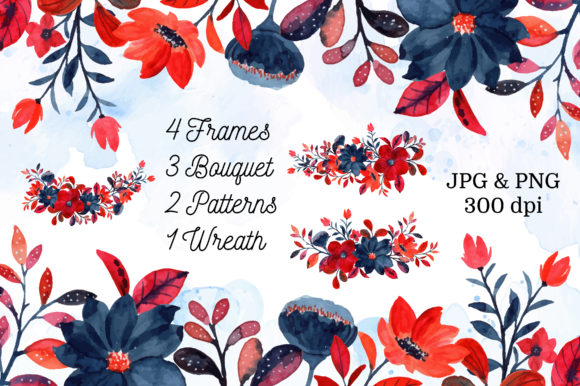
As a seasoned crafter and handmade product designer, I’m always on the lookout for high-quality graphic design assets that can elevate my work. Recently, I came across Digital Clipart Floral Watercolor Part.4, and I wanted to give it a thorough review from the perspective of someone who uses these illustrations daily in customer orders and seasonal collections. This set of watercolor floral illustrations is versatile, but like any digital asset, it comes with its strengths and limitations depending on how you plan to use it.
Aesthetic First Impressions and Branding Potential
The first thing I noticed about Digital Clipart Floral Watercolor Part.4 was the softness and elegance of the designs. These are not bold or garish; they're gentle, artistic, and full of charm. The watercolor style evokes a sense of femininity and natural beauty, making them perfect for products aimed at a more mature or refined audience. Whether you're designing for weddings, baby showers, or simply creating a cozy, artisanal vibe for your handmade shop, this illustration set fits right in.
I found myself imagining how these could be used on tumbler wraps, greeting cards, and even in small business branding. They feel cute, elegant, and just a bit premium, which is great if you want your products to stand out as thoughtful and handcrafted. The color palette is muted and organic, so it pairs well with minimalist or bohemian aesthetics.
Real-World Use in Cricut and Silhouette Projects
One of the first things I did was open the SVG files in my preferred design software to see how they would perform in real Cricut and Silhouette projects. The lines were mostly clean and scalable, which is essential when working with different materials like vinyl, heat transfer, or sublimation ink. However, there were a few instances where the details were too delicate for smaller cuts—especially if you’re using thin vinyl or cutting on textured surfaces.
If you’re planning to use these for sticker design or mug design, I recommend resizing them carefully and simplifying the layout if needed. For example, I created a batch of custom stickers for a client's wedding favors by combining two of the larger flowers with some script fonts. It looked beautiful and held up well through multiple print runs.
Perfect for Seasonal Craft Bundles and Printables
This collection shines brightest in seasonal craft bundles. I tested the PNG designs on printable wall art and planner pages, and they worked beautifully. The transparency layers in the PNGs allowed me to place the floral elements over patterns or textures without losing quality. It’s ideal for those who sell printable designs or digital products on platforms like Etsy or Creative Marketplaces.
When preparing product mockups, I layered the illustrations over white backgrounds and dark ones to check their visibility. The contrast wasn’t overpowering, but it was enough to create a soft yet clear visual impact. That said, if you’re working with low-contrast substrates (like pastel mugs or light-colored tote bags), you might need to tweak the colors slightly before finalizing your project.
Where These Illustrations Work Best
- Large cut files: The florals have enough detail to make a statement on bigger items like banners, large signage, or wrapping paper.
- Clean printable layouts: Perfect for planners, calendars, and DIY cards due to their soft edges and transparent background options.
- Seasonal craft bundles: Pair these with other similar illustrations to create cohesive holiday or event-themed kits.
- Gift products: Ideal for custom gift tags, thank-you cards, or decorative accents on handmade packaging.
- Decorative accents: Add a touch of elegance to t-shirts, tote bags, or canvas prints without overwhelming the design.
- Personalized items: When paired with names or dates in a serif or handwritten font, these illustrations become highly customizable and appealing.
- Product mockups: Great for showcasing your designs online, especially if you're selling via print-on-demand services.
Where to Use Carefully
While these illustrations are stunning, they aren’t suited for every crafting scenario. Here are a few areas where I’d approach them with caution:
- Very small cutting details: Some of the inner petals and leaves are intricate, which can lead to issues if you're scaling down too much.
- Thin lines: The watercolor brush strokes include fine details that may get lost when using certain types of vinyl or when cutting on less precise machines.
- Crowded compositions: If you're placing multiple illustrations close together, you might end up with a busy look that doesn't suit minimalist audiences.
- Low-contrast colors: On darker or patterned fabrics, the subtlety of the colors can fade. Test them on actual fabric swatches before production.
- Layered vinyl projects: The complexity of some pieces makes layering difficult without risking misalignment during cutting or application.
- Small sticker sizes: Unless you simplify the design, the smallest illustrations may not translate well into mini stickers.
Technical Tips Before Using in Customer Orders
Here are some practical notes I’ve picked up while integrating Digital Clipart Floral Watercolor Part.4 into my workflow:
- Test the file before selling finished products: Always do a trial run on the material you’ll be using, whether it’s vinyl, sublimation paper, or fabric.
- Check if SVG lines are clean: Open the SVG in your design software and zoom in. Look for jagged edges or unnecessary nodes that might affect the cut quality.
- Preview PNG transparency: Make sure the PNGs maintain clarity when overlaid on different textures or colors. Adjust the opacity if necessary.
- Confirm resolution for sublimation: If you're using the PNGs for sublimation printing, ensure the image resolution is suitable for high-quality output.
- Test colors before printing: Especially important for printed goods. Sometimes what looks good on screen doesn’t translate perfectly to paper or fabric.
- Check how it looks on white and dark products: Run test prints on both to evaluate visibility and contrast.
- Place it on real mockups: This helps visualize how the design will appear in an Etsy product listing or for social media promotion.
- Resize it for different products: Don’t assume one size fits all. Resize based on the item and medium you’re using.
- Simplify the layout if needed: Remove overlapping elements or combine parts to reduce complexity, especially for beginners or mass-produced items.
- Pair it with the right font styles: These illustrations work best with serif, sans serif, script, or handwritten fonts. Avoid overly bold or block-style typefaces unless you're going for a specific contrast.
- Confirm commercial licensing before using: Always double-check the license terms, especially if you're using the clipart in customer orders or branded items for resale.
Why This Asset Is Worth Adding to Your Design Toolkit
For anyone running a small handmade business, this graphic design asset is a solid addition to your library. It’s not just another generic clipart—it has character and depth that make it feel like a part of your creative process rather than something slapped onto a product.
Whether you're prepping for a local market or building out your craft fair inventory, these illustrations can help you create unique, eye-catching designs that speak to your brand's personality. Their adaptability also means you can reuse them across various formats—from planner stickers to handmade packaging—without repeating yourself visually.
In conclusion, Digital Clipart Floral Watercolor Part.4 is a valuable resource for crafters and designers who appreciate subtle, artistic visuals. Just remember to tailor the use to the project, and don’t hesitate to modify the illustrations to suit your needs. With a little testing and tweaking, these watercolor florals can become a staple in your handmade shop collections.